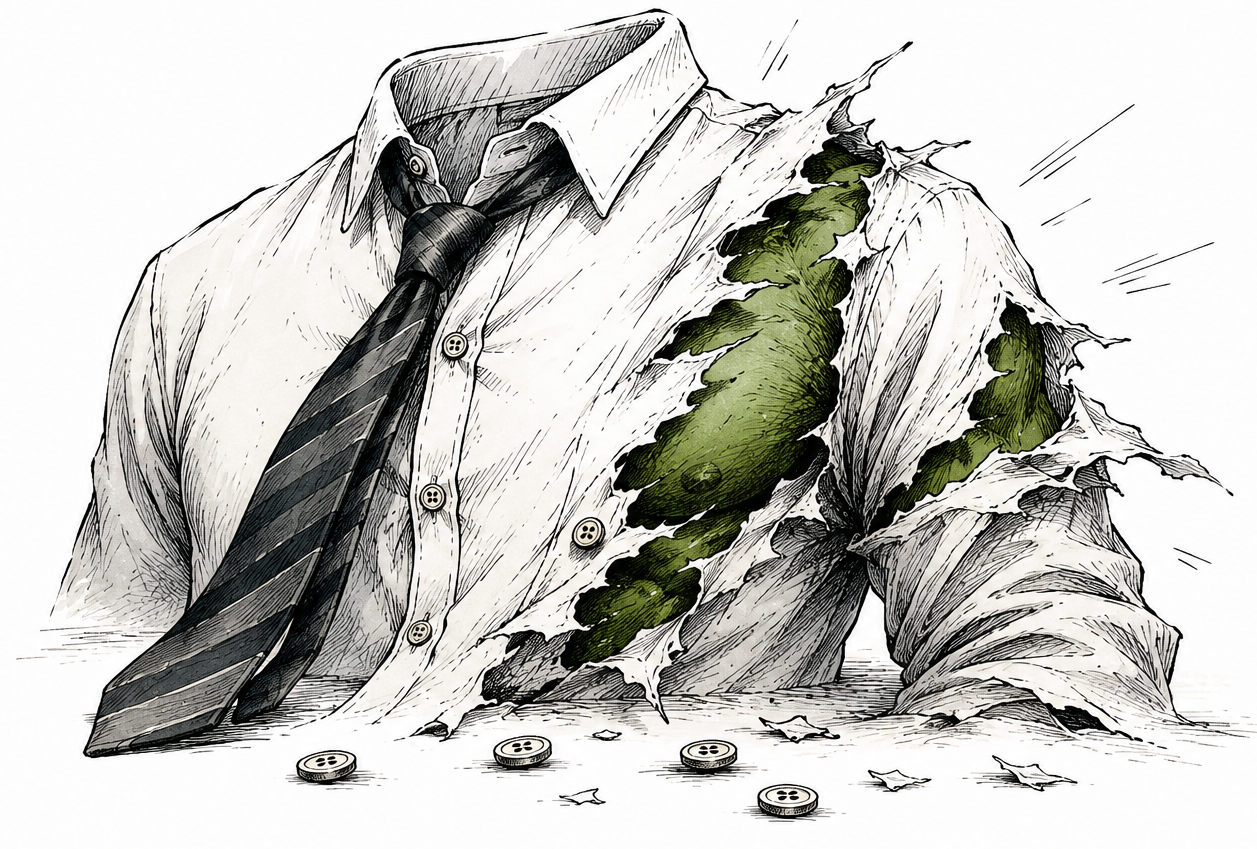


How repeated put-downs can quietly reshape confidence, identity, and the balance of power in a relationship.

How past violence teaches fear—and why intimidation can become a powerful tool of control.

When the Unusual Becomes Ordinary
How repeated behaviors can quietly reshape what we accept as normal.

Few unhealthy relationships begin with extreme behavior. Instead, they often develop through a gradual progression of increasingly controlling actions, each one making the next seem only slightly less unusual. This article examines the psychology of escalation and explains why understanding the pattern can help us recognize unhealthy dynamics long before they become deeply entrenched.
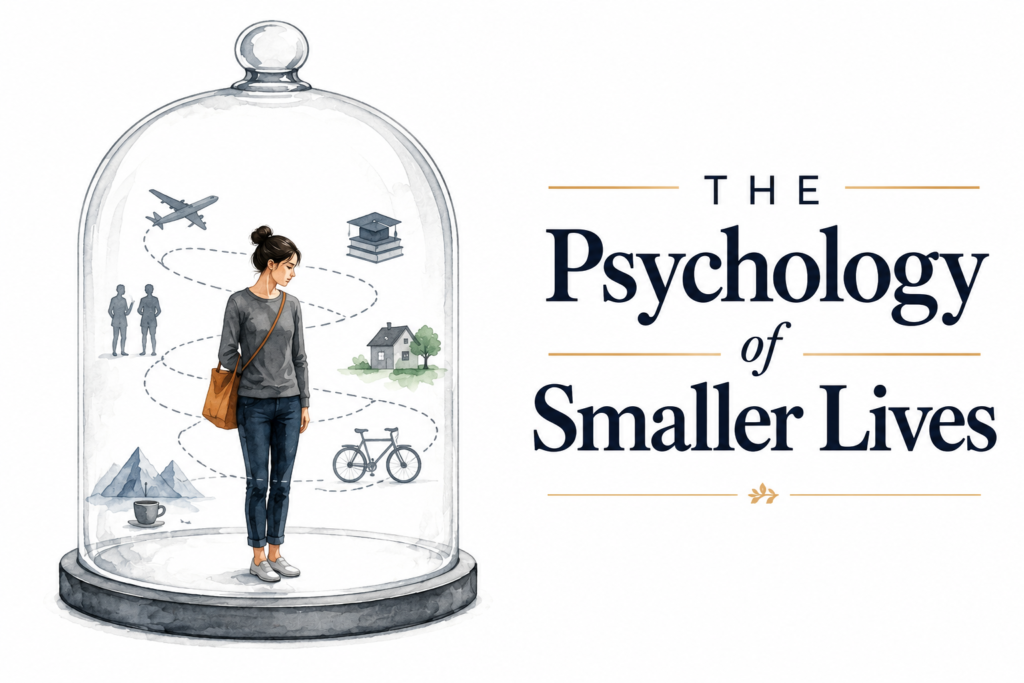
Control does not always announce itself through rules or ultimatums. Sometimes it appears in the opportunities quietly abandoned, the friendships that slowly fade, and the parts of ourselves we no longer feel free to express. This article explores how a series of seemingly harmless compromises can gradually shrink a person's world—and why healthy relationships should encourage growth, not diminish it.