When Anger Becomes Part of the Character
What Fred Flintstone teaches us about anger, communication, and the emotional climate of the home.

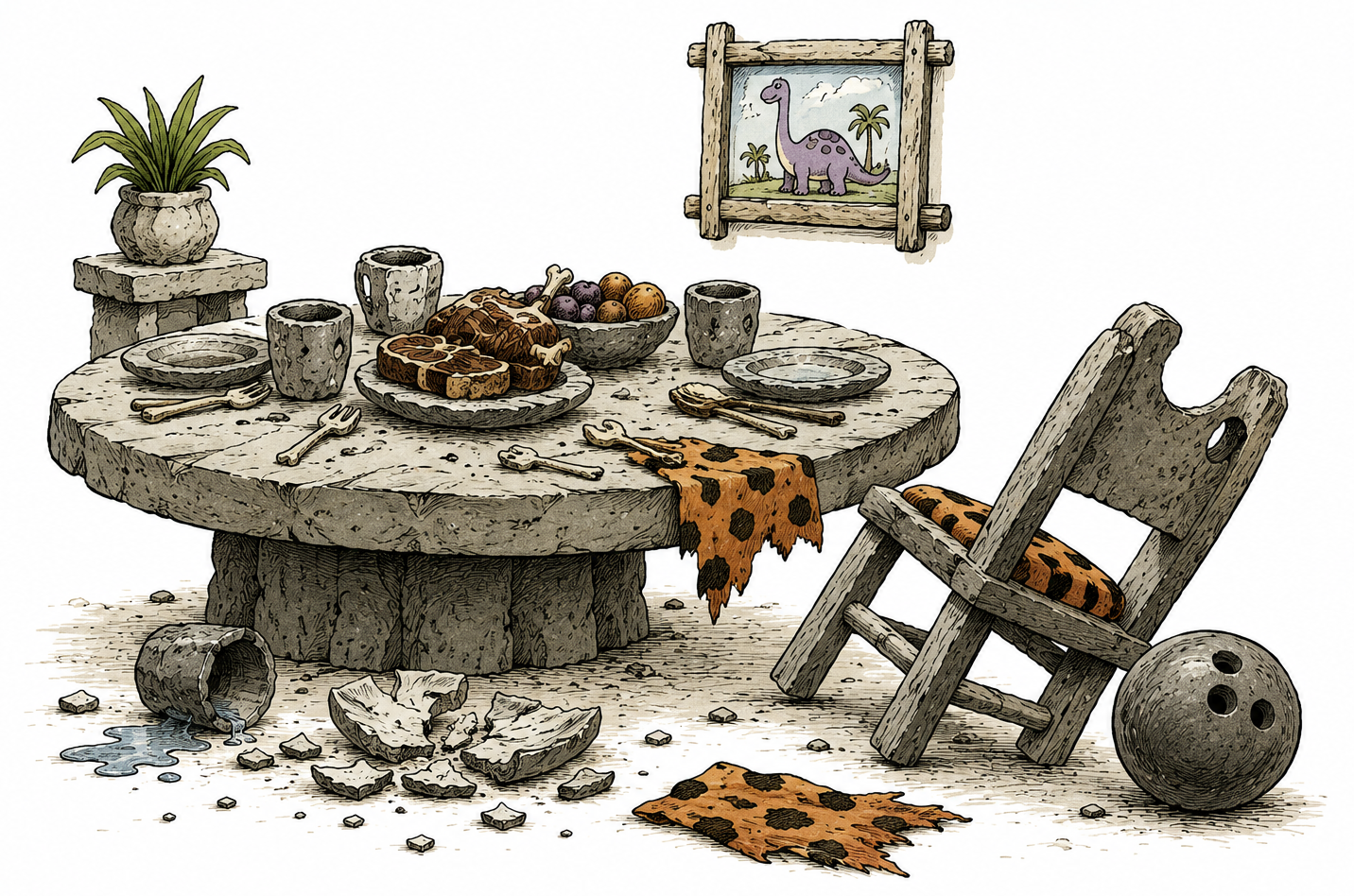
Fred Flintstone is one of television's most recognizable fathers. Hardworking, loyal, and devoted to his family, he is also quick to lose his temper. Whether frustrated by work, a misunderstanding, or an everyday inconvenience, Fred often responds by raising his voice, slamming doors, or erupting into loud arguments before eventually calming down.
The series was created as family entertainment, and Fred's outbursts were usually played for laughs. By the end of the episode, harmony was typically restored, and viewers were reminded that, despite his flaws, Fred genuinely loved Wilma and Pebbles.
Yet the character reflects an era in which explosive anger within the home was often portrayed as an ordinary—and sometimes humorous—part of family life. Television audiences rarely stopped to ask whether constant yelling, intimidation, or emotional volatility might have lasting effects on the people living with it.
Today's viewers may see those same scenes differently. We have become more aware that frequent anger, even when it does not escalate into physical violence, can shape the emotional climate of a home. Children may learn to anticipate conflict. Partners may begin walking on eggshells to avoid triggering another outburst. Over time, what appears to be "just the way someone is" can become a pattern that affects everyone in the household.
One reason these patterns can be difficult to recognize is that they often become familiar. Family members adjust their routines, choose their words carefully, or avoid certain topics in an effort to keep the peace. Over time, everyone begins organizing life around one person's emotional reactions. The anger itself may become so predictable that it no longer seems unusual. Instead, it simply becomes "how things are."
Healthy homes experience frustration, disappointment, and disagreement just like any other relationship. The difference is not the absence of conflict, but the presence of emotional safety. Family members should be able to express concerns without fearing an explosive response. Respectful communication, accountability, and the willingness to repair hurt feelings create an environment where disagreements strengthen relationships rather than weaken them.
Fred Flintstone reminds us that love and anger are not mutually exclusive. A person may deeply love his or her family while still struggling with emotional regulation. The important question is not whether someone occasionally becomes angry—we all do—but whether anger becomes the dominant way conflict is expressed.
Perhaps that is Fred Flintstone's most enduring lesson. His love for his family was genuine, but love alone does not erase the effects of repeated emotional outbursts. Healthy relationships require more than good intentions. They require self-awareness, self-control, and a commitment to resolving conflict in ways that leave everyone feeling heard, respected, and emotionally safe.

- When does ordinary frustration become a recurring pattern of unhealthy communication?
- Can frequent yelling affect a family even if no physical violence ever occurs?
- How might children interpret repeated displays of anger between adults?
- What is the difference between expressing anger and using anger to control a situation?
- Have television and movies changed the way they portray angry fathers and husbands over the years?
- What does healthy disagreement look like in a respectful relationship?
Discussion Topics: Emotional regulation • Marital communication • Family dynamics • Traditional gender roles • Emotional safety • Conflict resolution

Character Reflections
Popeye
Might Makes Right?
Tom and Jerry
When Every Conflict Becomes Retaliation
The Incredible Hulk
Strength Without Control
Fred Flintstone
The Angry Husband Stereotype
Cinderella
When Kindness Meets Passivity
Lucy van Pelt
When Control Doesn't Require Force
Yosemite Sam
When Anger Becomes Authority